Economical Dumpster Rentals for Your Home or Business Needs
Affordable dumpster rentals supply efficient approaches for handling debris in both home and commercial undertakings. Many clients and companies ignore the perks of these services, often resulting in substandard waste disposal. By comprehending important elements like pricing and capacity choices, customers can formulate educated decisions that match with their requirements. Investigating the specifics of lease terms and regional providers will uncover helpful guidance into improving disposal methods. What points should one remember when making this decision?
Essential Factors to Hire a Dumpster for Your Project
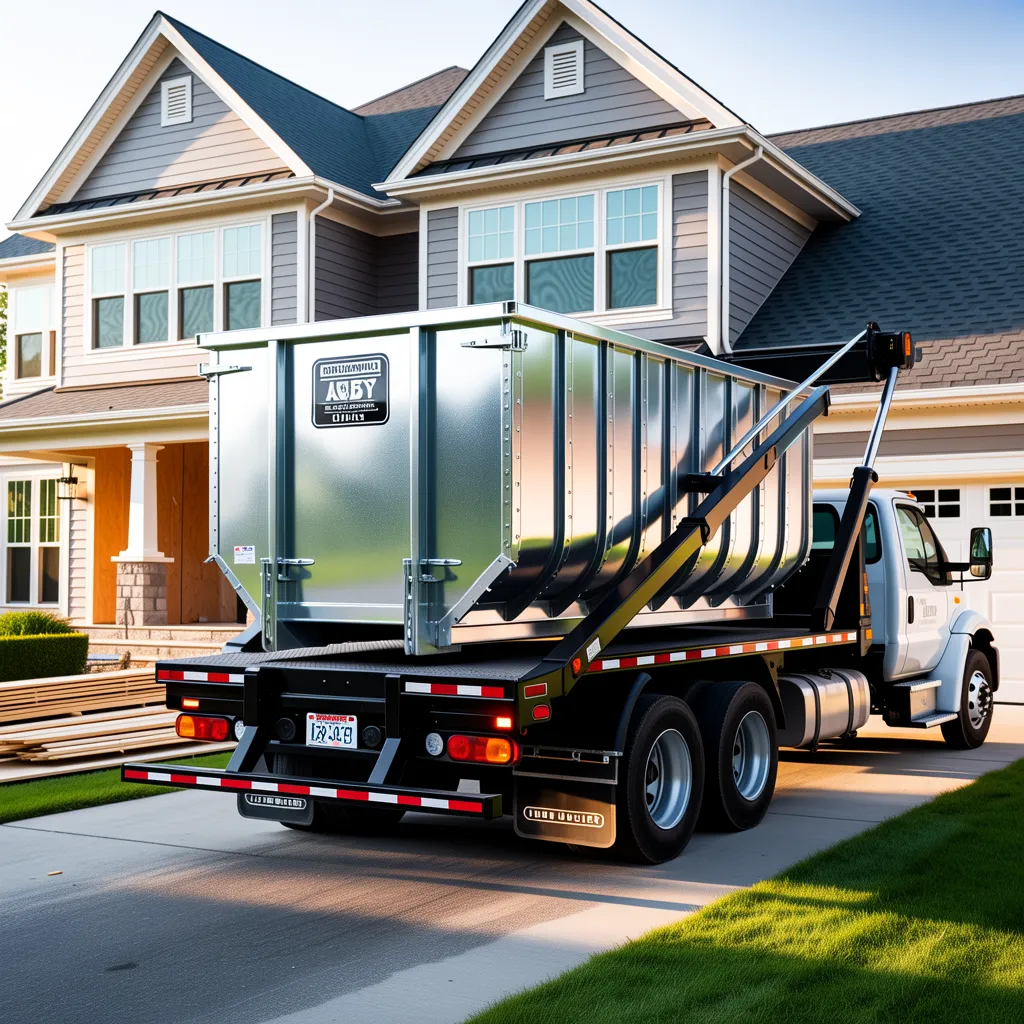
If you're arranging a project, if it's a home upgrade or a large cleanup, many folks disregard the practicality of renting a dumpster. Renting a dumpster improves waste management, permitting for the quick handling of debris and unwanted materials. This can notably save effort, as it avoids the need for multiple trips to a landfill.
Furthermore, having a designated space for waste ensures that the work area remains organized and safe, reducing the risk of accidents. Many projects produce more waste than anticipated, and a dumpster offers the flexibility to manage unexpected debris without added stress.
Moreover, renting a dumpster can often be more cost-effective than other waste disposal options, especially for major projects. Overall, utilizing a dumpster enhances project efficiency, promotes safety, and streamlines the cleanup procedure, making it a smart choice for property owners and construction professionals alike.
Factors Affecting Dumpster Rental Costs
A multiple important elements impact the rates of dumpster rental agreements. The magnitude of the dumpster selected, the duration of the hire, and the site's accessibility all serve as substantial parts in calculating total fees. Recognizing these factors can allow customers take educated selections when renting a dumpster for their undertakings.
Dumpster Size Options
In what manner does selecting the appropriate dumpster size impact rental pricing? Picking an appropriate dumpster size is crucial for controlling costs effectively. Smaller dumpsters usually have reduced rental fees, rendering them a budget-friendly option for minor projects, such as cleanouts or remodeling. In contrast, bigger dumpsters, while costly, accommodate substantial debris from large-scale construction or commercial projects.
Miscalculating capacity can cause unwanted expenditures, while underestimating may result in additional contracts. Additionally, some companies charge for weight limits, so the volume of refuse also influences general pricing. Consequently, knowing the project scope and waste type is important for selecting a receptacle that balances both dimensions and price, making certain that the subscription continues to be economical and practical.
Impact of Rental Duration
Picking the best dumpster size is only one component influencing rental costs; rental duration also plays a substantial role. The amount of time a dumpster is needed directly affects the overall price, as most rental companies charge on a daily or weekly basis. Longer rental periods typically lead to higher fees, which can vary based on the provider's pricing structure. Additionally, some companies offer discounted rates for extended rentals, making it important to compare options. Customers should consider their project timelines and waste disposal needs when determining the rental duration. Ultimately, understanding how rental duration impacts costs can help individuals and businesses set aside effectively for their disposal needs, ensuring they avoid unexpected expenses.
Location and Accessibility
The location where a dumpster is situated heavily affects rental pricing. Accessibility plays a crucial role; dumpsters positioned on private property or driveways tend to incur lower fees compared to those on public streets. Permits may be necessary for dumpsters placed on streets, increasing the total cost. Furthermore, how close the rental company’s facility is can impact transportation expenses. If the dumpster is located far from the rental provider, fuel costs will rise and may be charged to the customer. Also, urban areas with higher traffic congestion tend to have higher prices due to logistical challenges. In conclusion, knowing the dumpster’s location and accessibility is vital for correctly evaluating rental costs and making educated decisions.
Guide to Discovering Budget-Friendly Dumpster Rental Solutions
Seeking out inexpensive waste bin services requires careful examination of local businesses and their product offerings. By assessing expense levels and amenities, clients are able to uncover the best value propositions on offer in their territory. What's more, reviewing special seasonal pricing can bring about major financial benefits on rental payments.
Compare Regional Providers
What are the best ways to successfully contrast local vendors to secure affordable dumpster rentals? Initially, individuals should gather quotes from multiple companies, making sure they ask about all fees, including delivery, pickup, and any potential overage charges. Next, checking customer reviews and ratings can deliver crucial insights into service quality and reliability. Additionally, it is wise to review the variety of dumpster sizes offered, as this can determine pricing based on particular project needs. Comparing rental lengths might also show more affordable alternatives, as some providers have discounts for longer commitments. Finally, local promotions or package deals can further improve affordability, making it essential to review all possibilities before deciding.
Examine Seasonal Discounts
Do hidden savings exist for those who bother to review seasonal discounts on dumpster rentals? Many rental companies extend promotional rates during off-peak periods or particular times of year. For instance, spring and fall often see heightened competition among providers, resulting in lower costs. Additionally, special occasions or local events may trigger exclusive deals. Customers stand to benefit by conducting online research, enrolling in newsletters, or monitoring social media pages of local rental services. Communicating with providers might also uncover unadvertised discounts. By acting proactively and planning their rental, individuals and businesses can substantially lower costs, making it easier to oversee waste disposal without taxing their resources.
Steps to Decide the Best Dumpster Size for Your Project
Selecting the correct dumpster size for a job can significantly affect efficiency and expense. The first stage is to assess the volume of debris produced. Small jobs, such as home cleanings, usually need a 10 to 15 cubic yard dumpster, while larger renovations may require 20 to 30 cubic yards. For commercial jobs, sizes can vary from 30 to 40 cubic yards, based on the type of materials being disposed of.
Next, examine the nature of the material. Heavy materials, like concrete or dirt, may demand a smaller, more specialized dumpster due to weight limits. Additionally, understanding the project timeline can aid in determining the appropriate size; longer projects may collect more unwanted material.
To summarize, liaising with a rental service can present valuable insights. They can advocate for sizes drawing from earlier customer experiences and tailored project information, making sure the picked container meets individual needs and budget constraints.
Critical Strategies for Identifying Local Dumpster Leasing Services
When seeking local dumpster rental solutions, it’s important to evaluate several critical aspects to ensure a hassle-free operation. First, review the company's standing; online ratings and comments can deliver details into their trustworthiness and customer service. Next, review the variety of options accessible, ensuring they can handle particular project needs, such as different dumpster sizes or types. It's also important to compare pricing structures, as some companies may include extra charges that can escalate costs suddenly. Additionally, confirm for valid licensing and insurance to ensure compliance with local regulations and protection against liabilities. Finally, ask about shipping and return plans to verify they fit project timelines. By following these guidelines, individuals can identify a local dumpster rental service that fulfills their demands effectively and efficiently.
Guidelines for Filling Your Dumpster Efficiently
To maximize room in a dumpster, strategic loading approaches are required. First, users should break down large items, like furniture and appliances, to make more room. This practice enables better stacking and efficient use of vertical space. Then, heavier materials should be positioned at the bottom, ensuring a stable base and stopping lighter items from being crushed.
Implementing a organized approach, such as filling gaps with smaller fragments and guaranteeing even load distribution, can further improve spatial efficiency. Additionally, it is advantageous to arrange items in layers, with flat items at the bottom and larger pieces on above.
Using a tarp to cover the load can also ensure items secure during transit. Ultimately, paying attention to the dumpster's weight limit is crucial to prevent overloading, which can result in extra charges or potential dangers. Employing these techniques will promote a more efficient and effective dumpster loading process.
How Should You Handle Hazardous Materials?
Handling dangerous substances demands practical guide careful attention to safety and regulations. Proper disposal is vital to prevent environmental contamination and protect public health. Individuals should first identify dangerous substances, such as batteries, paint, chemicals, and electronic waste. Once recognized, it is important to consult local regulations, as many areas have particular requirements for disposal.
Many municipalities provide specific disposal sites or planned pickup times for dangerous materials. Employing these programs guarantees safe handling and disposal. People should under no circumstances deposit hazardous materials in regular dumpsters, as this can create significant health dangers and regulatory penalties.
For businesses, collaborating with certified waste management firms is advisable. These experts are qualified to transport and manage such products in adherence to legal standards. Adhering to these practices enhances safety and also demonstrates dedication to ecological responsibility. By complying with these standards, individuals and organizations can properly handle hazardous waste.
Questions Commonly Inquired About
What Classes of Substances Can I Discard in a Dumpster?
Different items can be placed in a dumpster, encompassing household debris, construction waste, yard waste, furniture, and appliances. However, hazardous materials, chemicals, and certain electronics are typically not allowed due to safety requirements.
How Extended Can I Keep the Rented Dumpster?
Commonly, leased dumpsters can be maintained for a duration ranging from a few days to several weeks, depending on the lease agreement. Long-term usage may incur extra charges, so examining terms is advisable.
Do Dumpster Leasing Have Weight Limits?
Yes, dumpster rentals typically feature weight limits that vary by provider and dumpster size. Going over these limits may lead to extra fees or constraints, so it's important to check specific guidelines with the rental company beforehand.
Can I Obtain a Dumpster Lease for Tiny Home Tasks?
Yes, individuals can rent dumpsters for small home undertakings. Many rental companies offer various sizes appropriate for jobs like decluttering, renovations, or yard work, ensuring an effective way to manage debris and waste removal.
What Occurs if I Exceed the Lease Time?
Going over the rental time typically generates additional fees. The rental company may assess a daily rate, building up costs until the dumpster is returned. It's wise to contact the company to discuss options.